
Online commerce is growing rapidly, and Payment Gateway systems are the key enablers that make online transactions possible, secure, and fast, especially for E-Commerce websites. In this article, CIPHER will answer all your questions about what a Payment Gateway is, along with recommendations for options suitable for Thai businesses.
Table of Contents
What is a Payment Gateway?
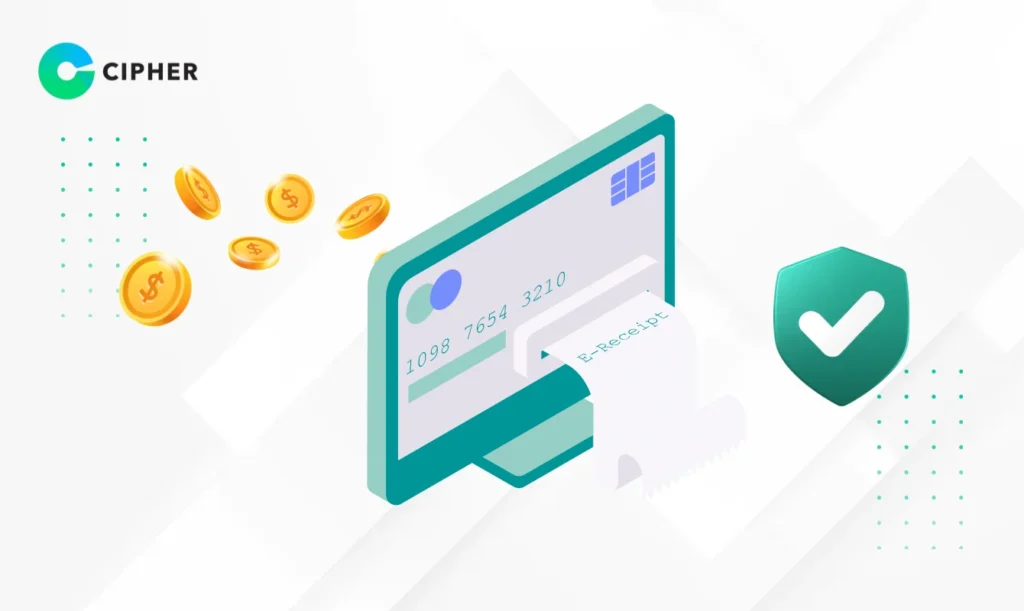
A Payment Gateway is an intermediary system that connects websites or store applications with banks or financial institutions. It processes payment information and secures data, acting as a “bridge” between customers, merchants, and financial institutions to enable smooth transactions.
This online payment system does more than just receive and forward payment information. It plays a crucial role in encrypting sensitive data such as credit card numbers to prevent information leaks and verify transaction accuracy. This ensures both buyers and sellers can be confident that funds will be sent to the correct destination.
How Does a Payment Gateway Work?
The operation of a Payment Gateway system involves detailed and complex steps that occur within just a few seconds:
- Customer initiates payment process – When customers select products and reach the checkout page, the system allows them to choose their preferred payment method, such as credit card, debit card, or other payment methods.
- Information sent to Payment Gateway – The system collects transaction information, such as card number, expiration date, CVV code, and amount, then encrypts this data for maximum security.
- Verification with the bank – The Payment Gateway sends information to the card-issuing bank to verify the card information and available credit limit.
- Bank approval – If all information is correct and sufficient funds are available, the bank approves the transaction and sends the information back to the Payment Gateway.
- Result notification – The Payment Gateway notifies the merchant and customer whether the transaction was “successful” or “failed” and processes the deduction from the customer’s account.
- Fund transfer – The merchant receives funds according to the Payment Gateway provider’s schedule, typically within 1-3 business days, depending on the agreement between the online store platform, store owner, and service provider.
This entire process takes place in just a few seconds, providing customers with a fast and secure payment experience.

How Many Types of Payment Gateways Are There?
Bank Payment Gateways
Non-Bank Payment Gateways
What Bank Payment Gateways Are Available?
K Payment Gateway by Kasikorn Bank
Merchant iPay by Bangkok Bank
Krungsri Biz Payment Gateway by Krungsri Bank
What Non-Bank Payment Gateways Are Available?
Paypal
Beam
Omise
2C2P
GB PrimePay
Pay Solution
What Are the Benefits of Payment Gateways?
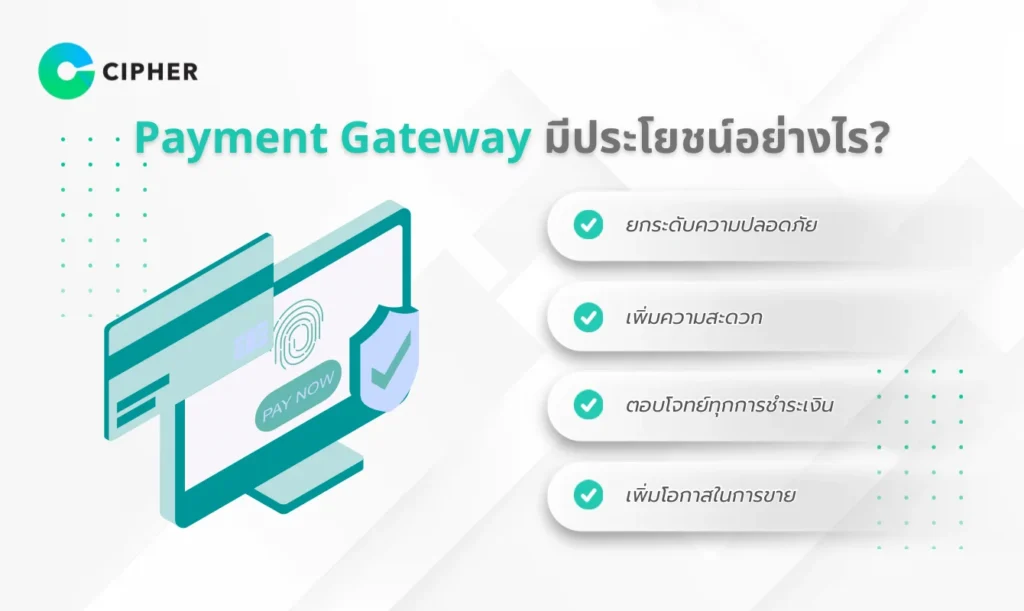
Payment Gateways are not just payment channels but also offer many advantages that can enhance your online business:
- Enhanced security – Good online payment systems protect customers’ financial information with advanced encryption technology, PCI DSS standards, and fraud prevention systems, building confidence for both merchants and customers.
- Increased convenience – With fast and straightforward payment processes, customers enjoy a smooth shopping experience, reducing cart abandonment rates and increasing sales conversion opportunities.
- Support for all payment methods – Good Payment Gateways support various payment methods from credit cards and debit cards to e-Wallets, bank transfers, and installment plans, giving customers options that suit their needs.
- Increased sales opportunities – Having reliable and diverse Payment Gateway systems helps expand your customer base, reach people who prefer different payment methods, and makes it easier for your business to access international markets.
Let CIPHER Be Your Partner in Elevating Your E-Commerce Website
CIPHER specializes in Payment Gateway systems and comprehensive E-Commerce website development, from website development and Digital Marketing to data analysis and consulting to increase sales and create great experiences for your customers.
With expertise in various businesses including fashion, food, beauty, real estate, or education, CIPHER is ready to be your partner in helping your business grow sustainably in the digital world.
Conclusion
Payment Gateway is a crucial system that enables secure and efficient online payments. Choosing which Payment Gateway is best depends on your specific business needs, and investing in a quality Payment Gateway system is worthwhile for E-Commerce businesses in the digital age.
If you’re looking for a partner to help elevate your E-Commerce website with the right Payment Gateway, CIPHER is ready to provide consulting and services that meet your business needs. Contact us today to begin your journey to online success!

Frequently Asked Questions About Payment Gateways
How is a Payment Gateway Different from an e-Wallet?
How Secure Are Payment Gateways?
What Size Businesses Should Use Payment Gateways?
What Are the Key Factors in Choosing a Payment Gateway?
When deciding which Payment Gateway is best, consider these factors:
- Fees – Compare entry fees, monthly fees, and per-transaction fees
Supported payment methods – Do they match your customers’ needs? - Security – Is it PCI DSS certified with fraud prevention systems?
- Website compatibility – Does it support platforms like WordPress or Shopify?
- Customer support – Is there 24-hour help available, and how quickly do they respond?
- Stability – Does it have a high transaction success rate?
- Payout timeline – How long does it take to transfer funds to your merchant account?