
In online marketing, brands need to choose appropriate media for efficient targeting, and one of the most powerful media in the digital era is Paid Media or media that we pay to reach our target audience. What is Paid Media? Why should brands prioritize it? And how can you use Paid Media most effectively? In this article, CIPHER, an expert in IT solutions and comprehensive marketing, will introduce you to the world of Paid Media that can help your business grow exponentially.
Table of Contents
What is Paid Media?
Paid Media refers to channels where brands pay to purchase space or time for advertising, promotion, or presenting content about their products and services to target audiences. This includes both online and offline channels such as Google Ads, Facebook Ads, newspaper advertisements, or even buying advertising space on various websites
The distinguishing feature that makes paid media highly effective in marketing is its ability to target with precision. You can choose who you want your ads or content to appear to, when, and in what quantity, which makes measurement and data collection comprehensive from the beginning to the end of a campaign.
Benefits of Paid Media
Using paid media in marketing offers numerous advantages that make it a popular choice for brands of all sizes, from small businesses to large organizations. These benefits make paid media an essential tool for generating sales and business growth.
- Precise Target Audience Reach: You can specify characteristics, interests, usage behaviors, and more to ensure your ads reach people most likely to be interested in your products or services.
- Quick Results and Clear Measurement: Unlike SEO or organic content marketing, you can see immediate results after launching a campaign and measure performance with detailed metrics.
- Budget Control: You can set budgets as needed, from hundreds to millions, depending on your brand’s goals and resources.
- Real-time Adjustments: If a campaign isn’t performing as expected, you can make immediate changes to target audiences, ad messaging, or budget allocation.
- Rapid Brand Awareness: Particularly suitable for new brands or products that need to create widespread awareness in a short time.
Limitations of Paid Media
Despite its many benefits, paid media has limitations that brands should be aware of before investing, to plan for maximum efficiency.
- High Costs: Compared to other media types like owned media or earned media, using paid media typically has higher costs, especially in highly competitive markets.
- Budget-Dependent Results: Reaching a large audience requires a substantial budget, which may disadvantage small businesses.
- Competitor Access: When you use paid media, competitors can do the same, potentially leading to intense competition and higher costs.
- Consumer Annoyance: Displaying ads too frequently may annoy consumers and negatively impact brand image.
- Platform Restrictions: Each platform has specific limitations and regulations that must be followed, which may restrict creativity in ad design.
How Do Paid, Owned, and Earned Media Differ?
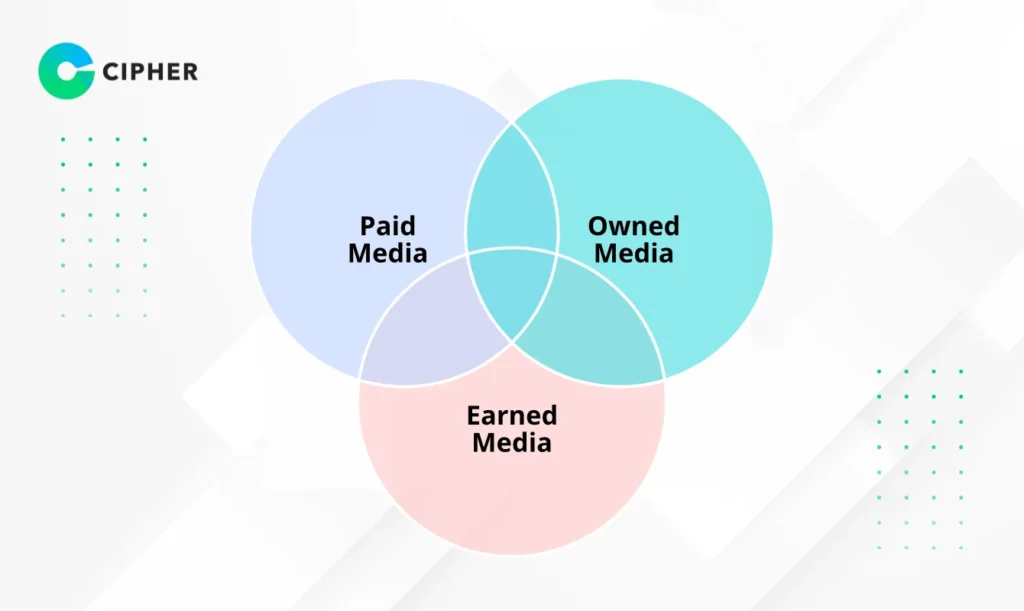
In the world of digital marketing, media can be divided into three main types: Paid Media, Owned Media, and Earned Media. Each type has different characteristics and roles. Understanding these differences will help you create comprehensive and effective marketing strategies.
Paid Media
Owned Media
Earned Media
Earned media occurs naturally without brands having to pay or directly control it. It results from consumers or others talking about, sharing, or reviewing a brand’s products and services, such as word-of-mouth, product reviews, or content sharing on social media. Earned media has high credibility but is difficult to control.
An effective marketing strategy should combine all three types of media, perhaps starting with paid media to quickly create awareness, using owned media to provide in-depth information and build relationships, and developing earned media to enhance brand credibility in the long term.
What Types of Paid Media Are Used in Online Marketing?
Social Media Ads
Advertisements on various social media platforms such as Facebook, Instagram, Twitter, LinkedIn, TikTok, and others. These allow for precise targeting by demographics, interests, behaviors, and more, making them suitable for both B2C and B2B businesses.
Display Ads or Banner Ads
Google Ads
Advertisements on Google’s network, including Search Ads (ads shown in search results), Display Ads, YouTube Adsand others. The advantage of Google Ads is the ability to reach users who are actively searching for products or services related to yours, resulting in high-intent customers.
Sponsored Content on Social Media
Podcast Ads
Video Ads
KOL Marketing or Influencer Marketing
What Types of Businesses Benefit from Paid Media?
Paid media isn’t suitable for every business. The decision to invest in paid media should consider multiple factors, including business characteristics, budget, marketing goals, and the timeframe for seeing results. Let’s look at what types of businesses can benefit cost-effectively from paid media:
- Startups: If you’re launching a new business or product, paid media can quickly create awareness, helping people get to know your brand in a short time.
- Businesses Needing Quick Results: If you can’t wait for results from SEO or content marketing, which may take months or years, paid media will help you see immediate results.
- Businesses with Specific Target Audiences: If your products or services target customers with specific characteristics, paid media will help you reach your target audience with precision.
- Highly Competitive Businesses: In highly competitive markets, using paid media will help you stand out from competitors and gain an advantage in reaching customers.
- Businesses Testing Markets: Paid media is a good tool for testing new markets or products, as it provides insights and feedback quickly.
- Businesses with Websites or Sales Systems Already in Place: Paid media will be most effective when a good sales system is already waiting, such as an easy-to-use website, convenient ordering system, or ready sales team.
However, businesses with limited budgets should carefully plan their paid media use, starting with an appropriate budget, testing, and continuously adjusting to get the best return on investment.
Enhance Digital Marketing Efficiency with CIPHER
CIPHER Company Limited is an expert in IT solutions and Digital Marketing with experience in managing and developing systems for many leading brands. We understand that successful paid media isn’t just about running ads, but requires strategies and in-depth understanding of each platform.
With our online marketing expert team, CIPHER can help your business plan and execute advertising through paid media efficiently, from market and competitor analysis, clear target audience definition, designing attractive ad content, to tracking and analyzing results for continuous improvement.
Our services cover all aspects of digital marketing, including:
- Social Media Marketing on main platforms like Facebook, Instagram, Line, and Twitter
- Google Ads to help your brand appear in target audience search results
- Display Ads reaching target audiences on various websites
- Content Marketing that helps create valuable content to attract and retain customers
- Email Marketing that communicates directly with target customers
- Inbound Marketing that attracts customers likely to purchase your products and services
We believe that the perfect blend of paid media, owned media, and earned media will help your brand grow sustainably, as paid media helps create awareness and sales in the short term, while owned media and earned media strengthen your brand in the long term.
Conclusion
Paid media is an essential tool in digital marketing that helps reach target audiences quickly and precisely. Although it has higher costs than owned media and earned media, it provides measurable and controllable results.
CIPHER is ready to help your business plan and execute paid media comprehensively, to ensure your advertising investment is most effective and creates sustainable growth for your brand.

Frequently Asked Questions
How is Paid Media Different from Owned Media and Earned Media?
What is the Minimum Budget for Paid Media?
Which Type of Paid Media Provides the Highest Return on Investment (ROI)?
How Can the Success of Paid Media Be Measured?
Results from using paid media can be measured by:
- Click-Through Rate (CTR): Measures the rate of ad clicks compared to impressions
- Conversion Rate: The rate of successful goal completion, such as purchases or registrations
- Cost Per Click (CPC): Cost per one click
- Return On Ad Spend (ROAS): Revenue received compared to money spent on advertising
- Cost Per Acquisition (CPA): Cost of acquiring one customer